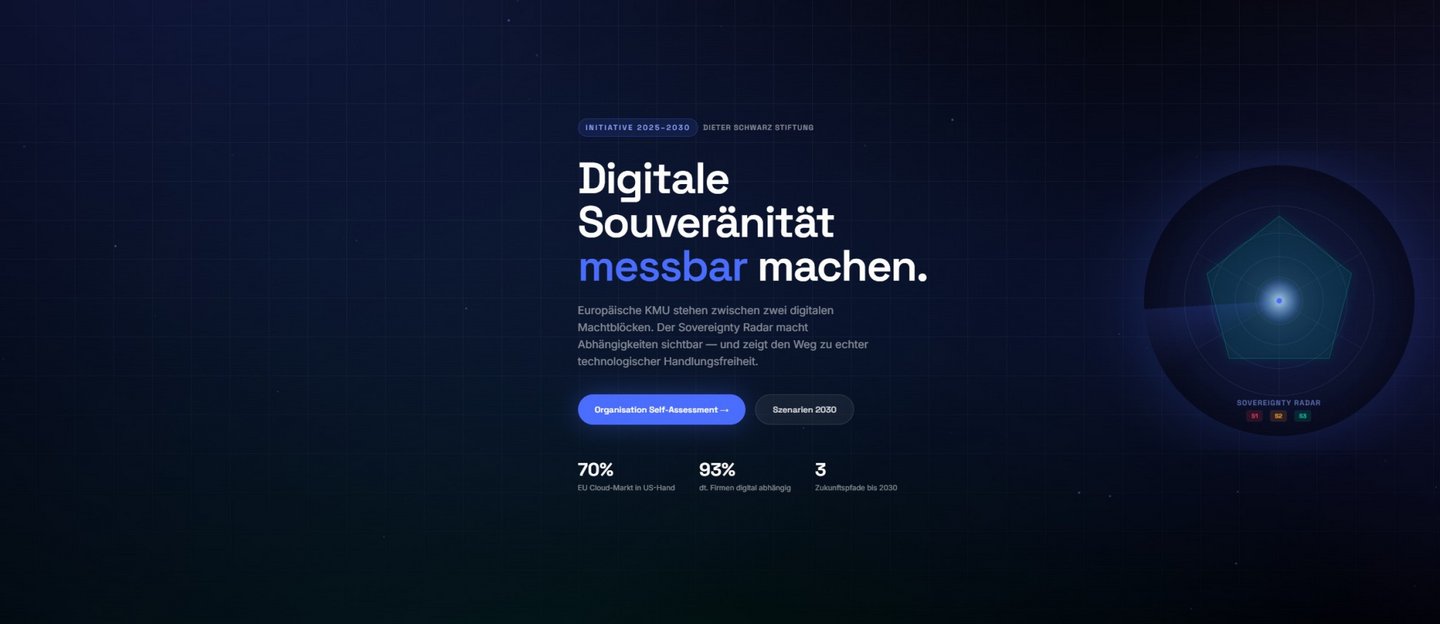
Companies are moving more and more of their critical processes to the cloud and to AI-powered services, often with a handful of globally dominant providers. Current market data show that around two thirds of the global cloud infrastructure market is held by just three hyperscalers. With this concentration, lock-in effects, providers' pricing power, and strategic vulnerability all increase, especially where a service becomes business-critical. This puts one question centre stage: how can organisations stay able to act and make their own decisions, even when they rely on external providers?
This is where the research initiative "Digital Sovereignty in the Enterprise" of the Institute of Information Systems and Digital Business at the University of St.Gallen (IWI-HSG) comes in. As a research-practice collaboration, it connects interdisciplinary researchers from the University of St.Gallen with partners from business and the public sector and develops an instrument that makes an organisation's sovereignty assessable along four concrete capacities: switching providers, delivering services in-house, using several providers in parallel, and negotiating terms.
From the resulting sovereignty profile, the initiative derives concrete starting points for each company in order to close weaknesses in a targeted way. In this way, digital sovereignty turns from an abstract concern into a manageable parameter, and scientific findings translate directly into business practice.
Using a structured, proven approach, we assess your organisation's digital sovereignty along the four capacities: switching providers, delivering services in-house, using several providers in parallel, and negotiating terms. The result is a clear sovereignty profile that shows where you are able to act and where dependencies make you vulnerable.
Our process at a glance:
We map which providers your business-critical processes depend on and reveal lock-in risks, market concentration, and switching costs. This makes it visible where a single decision ties up your freedom to act in the long term, and where alternatives are worthwhile.
We examine how well your digital setup stands up to growing regulatory requirements. The focus is on the interfaces between provider dependency, data control, and compliance, so that sovereignty and regulatory conformity are considered together.
Based on the sovereignty profile, we develop a prioritised roadmap with you. Across the four capacities, we show concrete measures to reduce dependencies, build bargaining power, and safeguard critical functions, balanced against effort and impact.
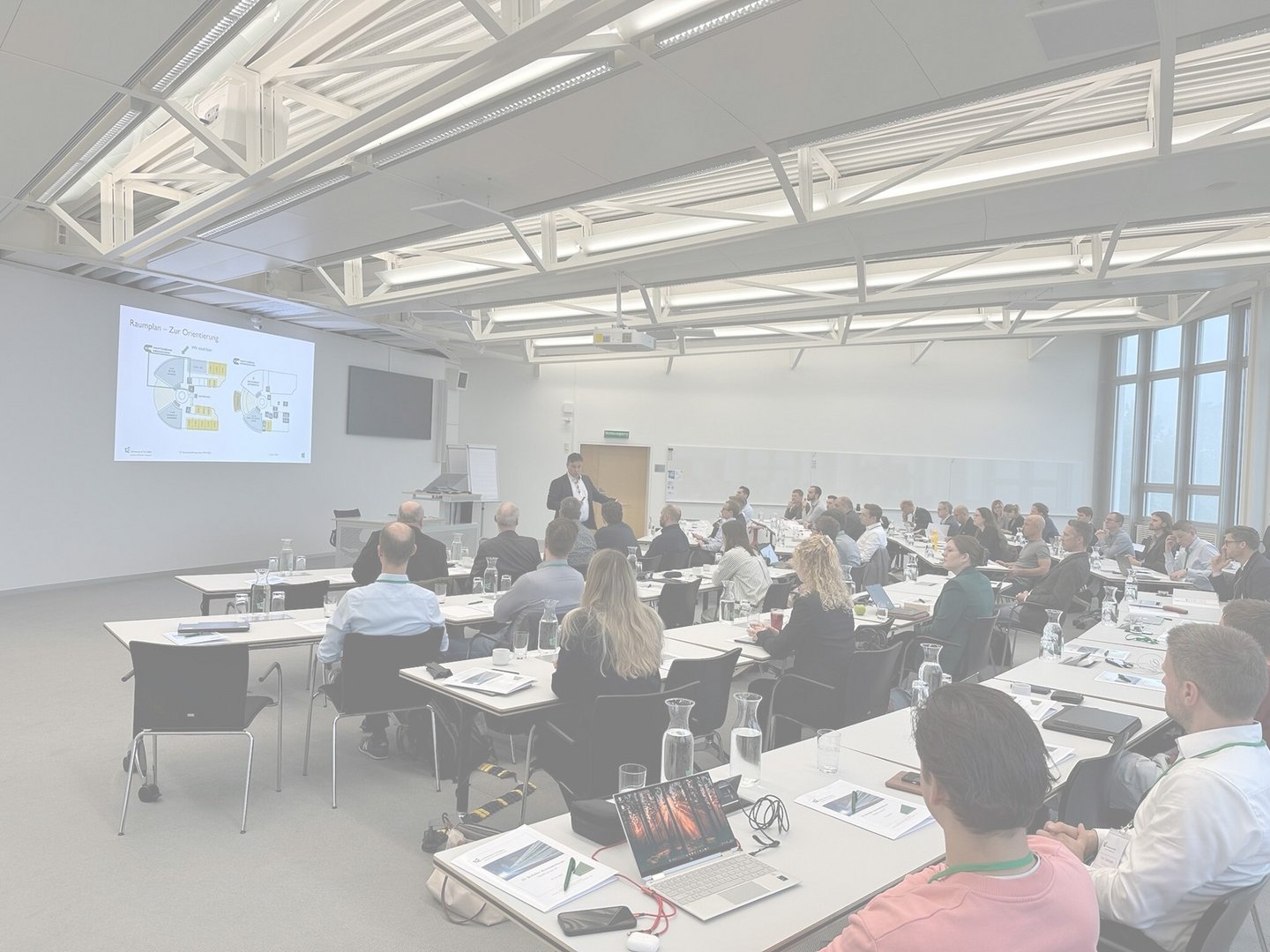
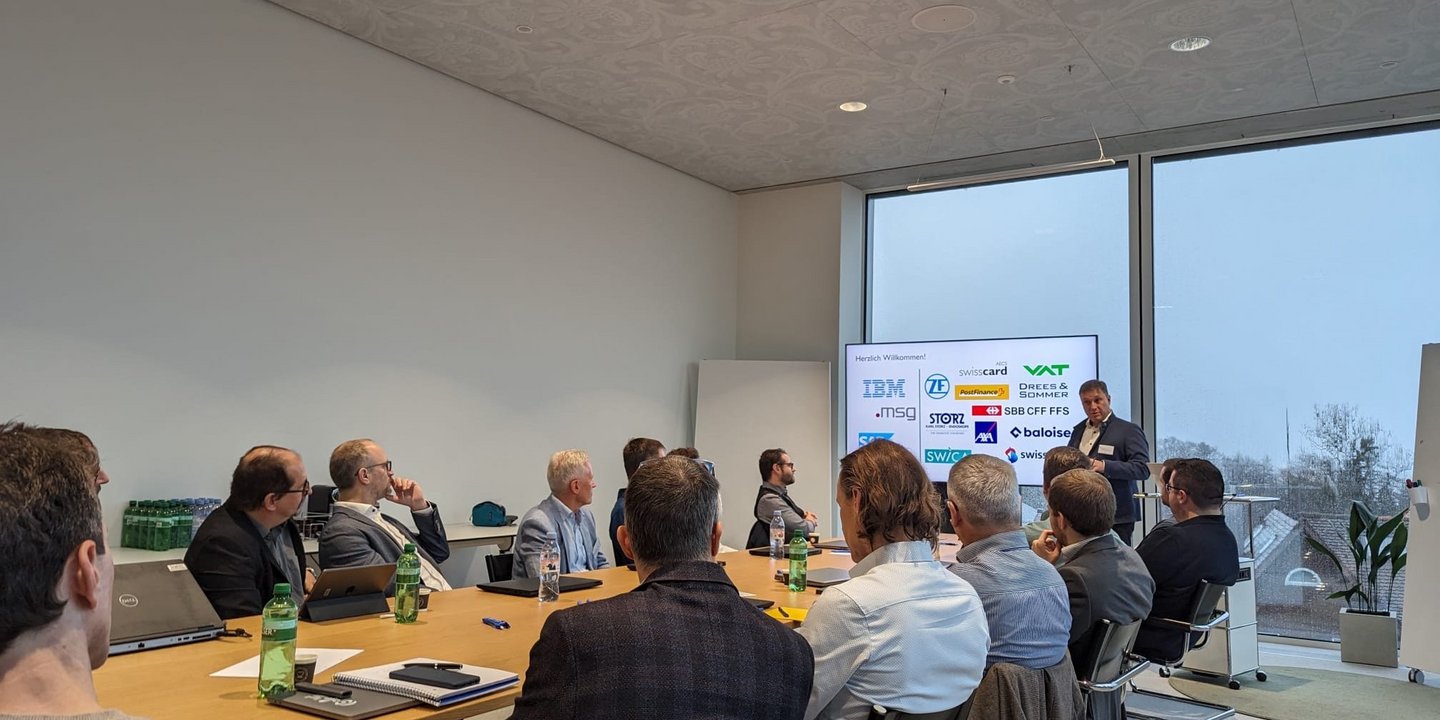
Together with partner companies, we run consortium projects each year and continue to develop methods and tools for measuring and strengthening digital sovereignty. In addition, our cross-industry monitoring provides benchmarks and trends to position yourself over time.
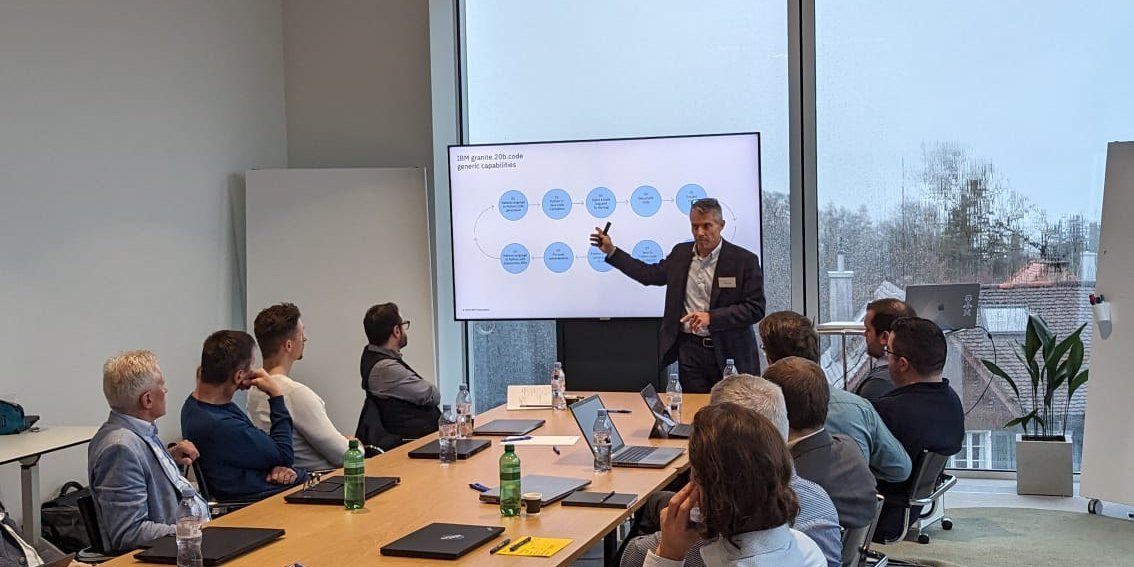
Abstract: This study investigates the relationship between Generative AI (GenAI) and Low Code Development Platforms (LCDPs), providing preliminary insights into Gen's transformative potential in this context. It is based on expert interviews and provides insight into the changing landscape of LCDPs influenced by GenAI. The findings highlight the promising benefits of GenAI in LCDPs, such as increased efficiency and decreased errors, while also emphasizing the importance of human oversight and collaboration. The findings also highlight the importance of interpersonal skills in IT, even in an increasingly automated environment. While the economic efficiency and broader implications of GenAI are still being investigated, the study lays the groundwork for future research in this rapidly evolving domain.
Author: Olivia Bruhin, Ernestine Dickhaut, Edona Elshan, Mahei Li
Year Issued: 2024
Abstract: Cognitive automation (CA) moves beyond rule-based business process automation to target cognitive knowledge and service work. This allows the automation of tasks and processes, for which automation seemed unimaginable a decade ago. To organizations, these CA use cases offer vast opportunities to gain a significant competitive advantage. However, CA imposes novel challenges on organizations’ decisions regarding the automation potential of use cases, resulting in low adoption and high project failure rates. To counteract this, we draw on an action research study with a leading European manufacturing company to develop and test a model for assessing use cases’ amenability to CA. The proposed model comprises four dimensions: cognition, data, relationship, and transparency requirements. The model proposes that a use case is less (more) amenable to CA if these requirements are high (low). To account for the model’s industry-agnostic generalizability, we draw on an internal evaluation within the action research company and three additional external evaluations undertaken by independent project teams in three distinct industries. From a practice perspective, the model will help organizations make more informed decisions in selecting use cases for CA and planning their respective initiatives. From a research perspective, the identified determinants affecting use cases’ amenability to CA will enhance our understanding of CA in particular and artificial intelligence as the driving force behind CA in general.ain.
Author: Christian Engel; Edona Elshan; Philipp Alexander Ebel; Jan Marco Leimeister
Year Issued: 2023
Abstract: Smart personal assistants (SPAs) promise individualized user interactions owing to their varying interaction possibilities, knowledgeability, and human-like behaviors. To support the widespread adoption and use of SPAs, organizations such as Google or Amazon provide low code environments that support the development of SPAs (e.g., for Google Home or Amazon’s Alexa). These so-called low code platforms enable domain experts (e.g., business users without programming skills or experience) to develop SPAs for their purposes. However, using these platforms alone does not guarantee a useful and good conversation with novel SPAs due to non-intuitive design choices. Following a design science research approach, we propose the Smart Personal Assistant for Domain Experts (SPADE) method to address the missing link. This method supports domain experts in the development and contextualization of sophisticated SPAs for various application scenarios and focuses especially on conversational and anthropomorphic design steps. Our proof of concept and proof of value results show that SPADE is useful for supporting domain experts to create effective SPAs in different domains beyond private set-ups.
Authors: Elshan, Edona; Ebel, Philipp Alexander; Söllner, Matthias; Leimeister, Jan Marco
Year Issued: 2023
Abstract: The collaboration between genAI and humans in the field of information systems holds transformative potential echoing the co-creation ethos in digital ecosystems. GenAI's automated code generation capabilities present an opportunity for seamless cooperation with human developers. As genAI evolves, it can contribute to the generation of code with minimal human input, enabling developers to focus on higher-level conceptualization and problem-solving. The individual work changes by GenAI also have wider-reaching effects, which requires a holistic understanding of its impact. Our interview study with 15 software developers presents a shift towards a more balanced viewpoint on measuring the effects of genAI in software development environments, specifically the importance of human-centric indicators (eg satisfaction and wellbeing) in addition to traditional efficiency and effectiveness indicators. This insight underscores the balancing act between enhancing productivity and potentially undermining it, reflecting the interplay of co-creation and co-destruction in service ecosystems and calling for a more holistic sociotechnical perspective.
Authors: Mahei Manhai Li, Ernestine Dickhaut, Olivia Bruhin, Hendrik Wache, Pauline Werit
Year Issued: 2024
Abstract: The rapid acceleration of digitalization has increased the demand for dynamic software development, exposing a significant skills gap in IT. Low Code Development Platforms (LCDP) have emerged as a crucial solution, enabling faster development cycles and democratizing software creation. However, integrating citizen and professional developers within these platforms introduces new challenges, particularly in task division, collaboration, and governance. This study explores the dynamic of the interactions in low code environments, using paradox theory to analyze the resulting tensions–the paradox of empowerment, the paradox of security, and the paradox of harmonization–and their impact on both innovation and efficiency. Our findings provide critical insights into the roles, collaborative processes, and governance frameworks necessary for effective and balanced LCDP implementation. These insights provide a framework for effective and balanced LCDP implementation, offering organizations strategies to enhance innovation while managing the inherent complexities within these environments.
Authors: Olivia Bruhin, Philipp Ebel, Edona Elshan
Year Issued: 2024
Abstract: The development of Generative Artificial Intelligence (GenAI) in Software Engineering (SE) is driving significant transformations in work systems, impacting work practices, information management, and development processes. This study applies Work System Theory to explore how GenAI not only enhances individual tasks but also redefines entire workflows and collaboration models within SE environments. Through a case study involving expert interviews at a telecommunications and software company, the research uncovers both substantial benefits and emerging challenges associated with GenAI integration. The findings contribute to a structured framework that offers guidance for effectively implementing GenAI to enhance productivity and foster innovation in SE. These insights are essential for practitioners managing the rapidly evolving SE landscape, ensuring the successful and sustainable adoption of GenAI within work systems.
Authors: Olivia Bruhin
Year Issued: 2024
Abstract: The rapid integration of Generative Artificial Intelligence (GenAI) into Software Engineering (SE) transforms how software is designed, developed, and maintained, introducing significant managerial challenges. This study examines these emerging challenges and proposes strategic actions for managing SE in the future. We provide an overview of the current GenAI development within SE and analyze its implications across three critical pillars: People, Process, and Technology. Our findings indicate that GenAI introduces a dynamic complexity to these elements, demanding a combined managerial approach. We propose six strategic actions essential for shaping the future of SE practice. This study aims to help practitioners make strategic decisions regarding GenAI implementation and offers researchers insights into past findings and opportunities for further investigation.
Authors: Olivia Bruhin, Philipp Ebel, Leon Müller, Mahei Manhai Li
Year Issued: 2024
Abstract: The rapid evolution of the software development industry challenges developers to manage their diverse tasks effectively. Traditional assistant tools in software development often fall short of supporting developers efficiently. This paper explores how generative artificial intelligence (GAI) tools, such as Github Copilot or ChatGPT, facilitate job crafting—a process where employees reshape their jobs to meet evolving demands. By integrating GAI tools into workflows, software developers can focus more on creative problem-solving, enhancing job satisfaction, and fostering a more innovative work environment. This study investigates how GAI tools influence task, cognitive, and relational job crafting behaviors among software developers, examining its implications for professional growth and adaptability within the industry. The paper provides insights into the transformative impacts of GAI tools on software development job crafting practices, emphasizing their role in enabling developers to redefine their job functions.
Authors: Leonie Rebecca Freise, Olivia Bruhin, Eva Ritz, Mahei Manhai Li, Jan Marco Leimeister
Year Issued: 2025
Director
Assistant Professor
Assistant Professor
Project Manager
Research Assistant
Research Assistant