- 20.01.2026 - 09:30
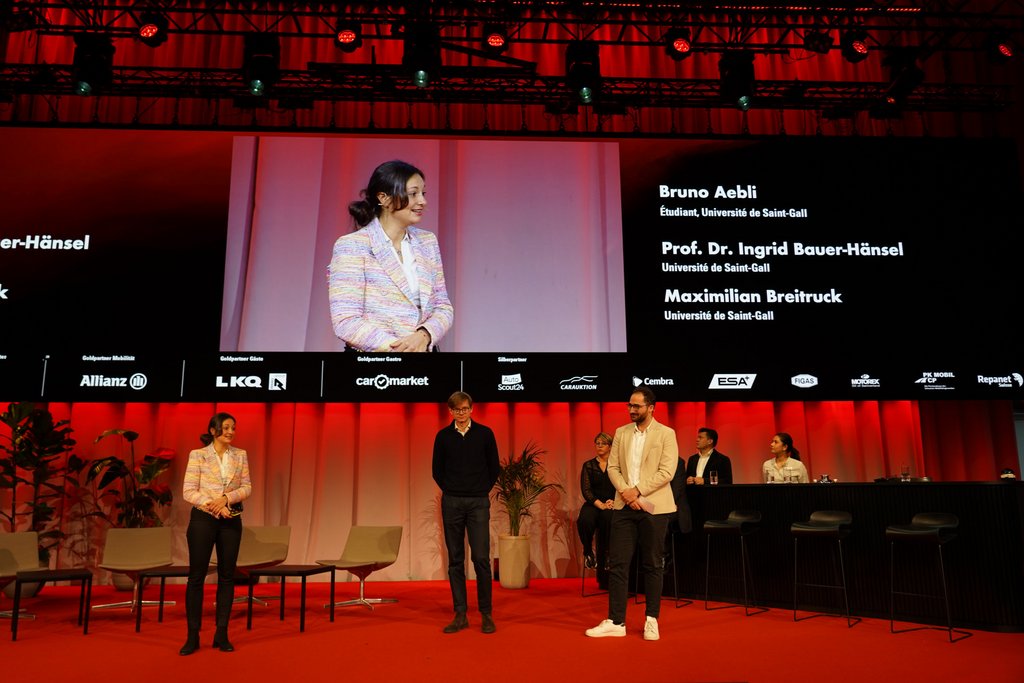
Over three months, a team of students from the University of St. Gallen, led by Prof. Dr. Ingrid Bauer-Hänsel, systematically analyzed the future of the Swiss garage industry. The methodology combined academic rigor with practical insights: The empirical basis included 21 qualitative interviews with garage businesses and industry experts, field visits incorporating shadowing elements, and a survey of more than 100 participants focusing on the mobility attitudes of Generation Z. Complemented by systematic desk research, the study established robust forecasts for the decade leading up to 2035.
Four key drivers shaping the future
The analysis identifies four key drivers that will fundamentally transform the garage business:
Strategies for the Garage of 2035
The study derives specific business models and recommendations for action from these findings. Two examples highlight possible differentiation strategies: Focus & Competence Garages specialize in selected segments such as e-mobility or performance vehicles, positioning themselves through profound technical expertise.Digital Concierge Garages emphasize seamless customer journeys and a convenient «one-stop-shop» experience.
Key areas of action for all garages include: Building knowledge and expertise in e-mobility and fostering strategic partnerships with energy providers, digitizing the customer journey with integrated online-offline touchpoints, positioning as mobility consultants instead of mere repair shops, systematic employee development with «learning workshop» concepts for new technologies, making clear strategic decisions for differentiation.
Conclusion: The future of garages is digital but remains human
The study concludes that garages in 2035 will look different than they do today but will continue to exist. Their success will depend on setting the right course early on. Technology is changing the business, but people - whether as skilled advisors or loyal customers - will remain at the center.
For more details or for inquiries about similar research collaborations please contact Prof. Ph.D. Ingrid Bauer-Hänsel, Assistant Professor of IT Management (ingrid.bauer-haensel@unisg.ch)